Add 2 more items to unlock your free mystery gift.
Complimentary item.
Total
Recommended add-on
Home/What Actually Fits: The No-Guesswork Guide to Matching Your Lunch Box, Lunch Bag, and Ice Pack
What Actually Fits: The No-Guesswork Guide to Matching Your Lunch Box, Lunch Bag, and Ice Pack
There's a specific kind of frustration that happens at 7:12 a.m. on a school morning: the lunch box is packed, the ice pack is frozen, the water bottle is filled — and none of it fits in the lunch bag together. The bag zips over the box but crushes the bento lid. The ice pack slides in but shoves the bottle out. You bought three well-reviewed products, and they don't work as a set.
That's a compatibility problem, and it's almost entirely avoidable. Most lunch gear is designed in families — boxes made to pair with bags, ice packs sized to slide beside specific containers. Buy within the system and everything clicks. Buy across systems blindly and you're rolling the dice. This guide walks through what actually fits with what, using the products we stock and get asked about most, so your next lunch setup works on the first morning, not the fourth return.
Why fit matters more than features
A leak-proof lunch box that doesn't fit the bag is a lunch box you carry in a grocery tote. A 4-hour ice pack that can't sit next to the container is decoration. Fit is the invisible spec that review scores don't capture — and it's the question we answer in customer emails more than any other: does the bag fit the box AND a bottle?
Three dimensions decide everything:
Box footprint. Standard bento boxes run roughly 8–9 inches wide. Kids' bentos are usually a bit narrower. Know your box's footprint before shopping bags.
Bag interior depth. A bag that's wide but shallow will zip fine over a bento but crush a domed lid or a stacked container.
Leftover volume. Box plus ice pack plus bottle needs to leave room for a napkin and a fork. If the math only works with zero slack, it doesn't work.
The kids' setup: box, bag, ice pack, no arguments
The cleanest compatibility story in lunch gear is Bentgo's Kids Prints system. The Bentgo Kids Prints 5-Compartment Bento was designed alongside the matching Kids Prints Double-Insulated Lunch Bag, and the fit reflects that: the bento drops into the main compartment with clearance on top — the lid's latches never get pinched when you zip — and there's still room beside it for a slim water bottle.
That leftover space is where most setups fail. It's exactly the problem Bentgo Buddies Slim Ice Packs were built to solve. They're flat and narrow — about four hours of cold in a profile that slides into the gap next to the bento instead of on top of it. One pack beside the box, bottle in the front pocket, zipper closes without a fight.
One note on the Chill: the Bentgo Kids Chill takes a different approach — the ice pack snaps into the lid itself. That means no loose pack to lose, and it frees the bag entirely for the bottle and a snack. If your kid is the type who leaves ice packs in the cafeteria, the Chill is the compatibility answer.
The adult setup: stacking, dips, and the leak question
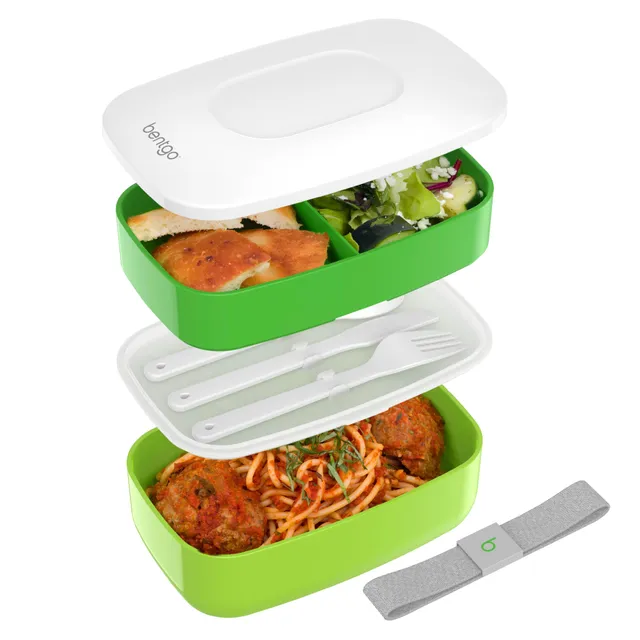
Adult lunches create a different fit puzzle. The Bentgo Classic stacks three tiers held by a sealing strap, which packs a full meal in a compact footprint — but stacking is exactly why bag depth matters. A shallow tote that handles a flat bento will pop the Classic's top tier off the strap. Give stacked boxes a bag with vertical room.
On leaks: the Classic's strap keeps tiers together, but it's not a watertight seal — pack soups and dressings separately rather than loose in a compartment. Same logic for Bentgo Easyboxes: excellent for dry and semi-moist foods, not the home for curry or thin sauces. The right tool for liquids is a dedicated sealed cup or a thermal jar.
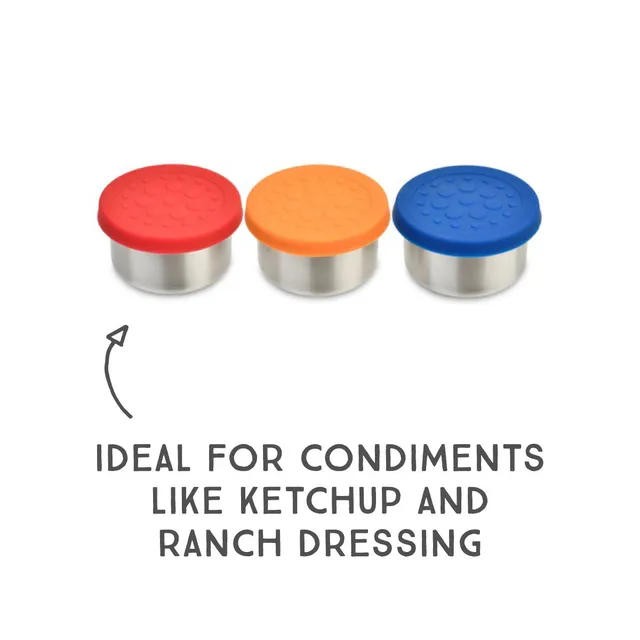
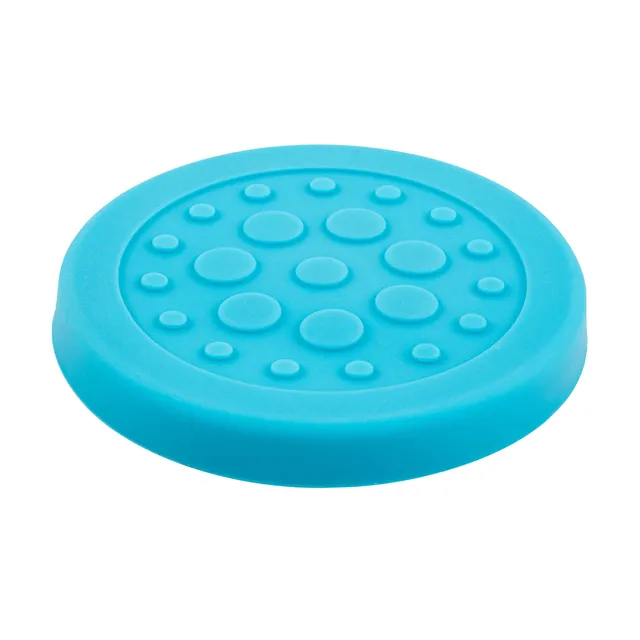
For dressings, hummus, and nut butter, we like the LunchBots Dips 1.5 oz set — stainless bodies with silicone leak-proof lids, small enough to tuck into any bento compartment or bag corner. And if a dip lid ever cracks or walks off, LunchBots sells replacement silicone dip lids individually. That's the compatibility conversation most brands skip: the parts that keep the system alive after year one.
Hot lunch compatibility: lids, gaskets, and the 16 oz question
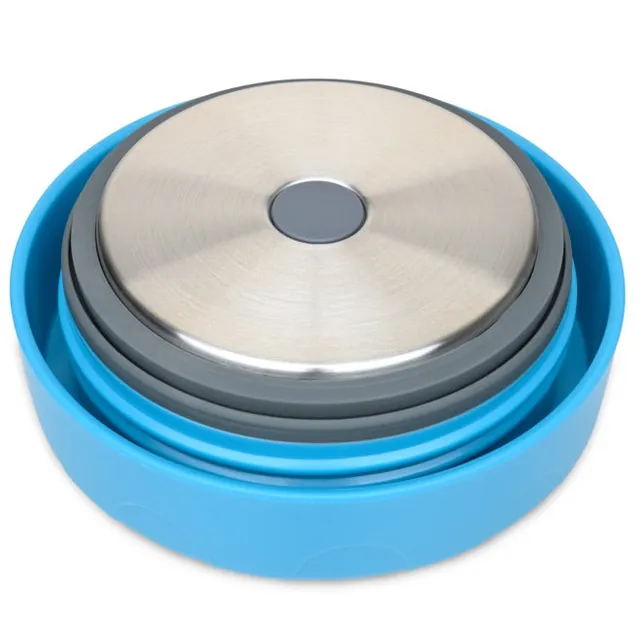
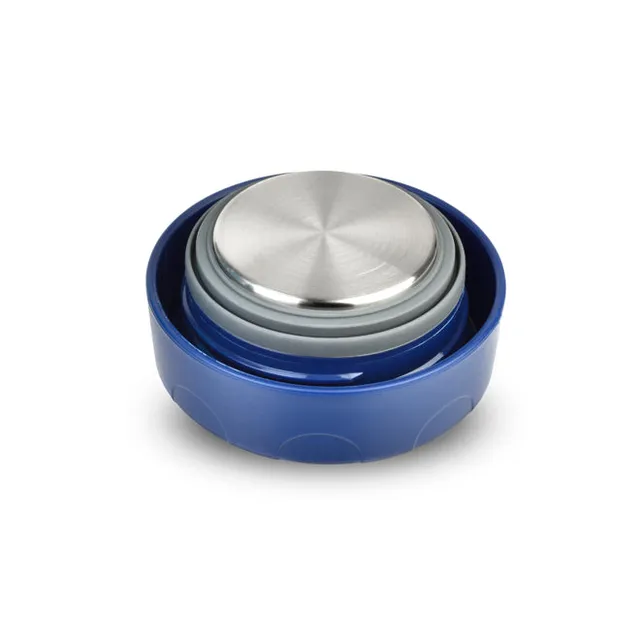
Thermos-style packing has its own fit ecosystem, and it's where replacement-part compatibility quietly saves people money. LunchBots' Thermal line uses two lid sizes: a standard 3-inch lid and a wide 4.5-inch lid. If your seal is worn and soup starts seeping, the fix is a $5.99 lid — but only if you buy the right one.
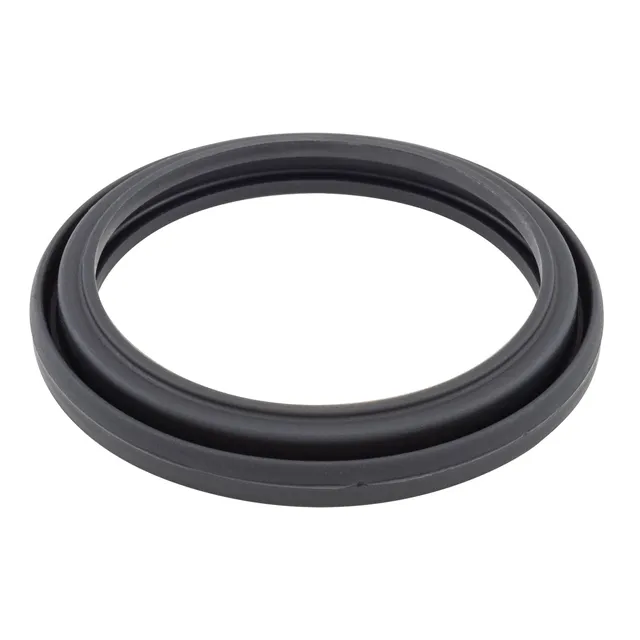
The quick check: 8 oz and 12 oz Thermal jars take the standard 3-inch replacement lid; the 16 oz jars take the wide 4.5-inch lid. Measure across the mouth before ordering — it's the single most common wrong-part mistake. If the leak is coming from inside the closure rather than the rim, the replacement gasket fits most Thermal jars (wide models excepted) and costs under three dollars.
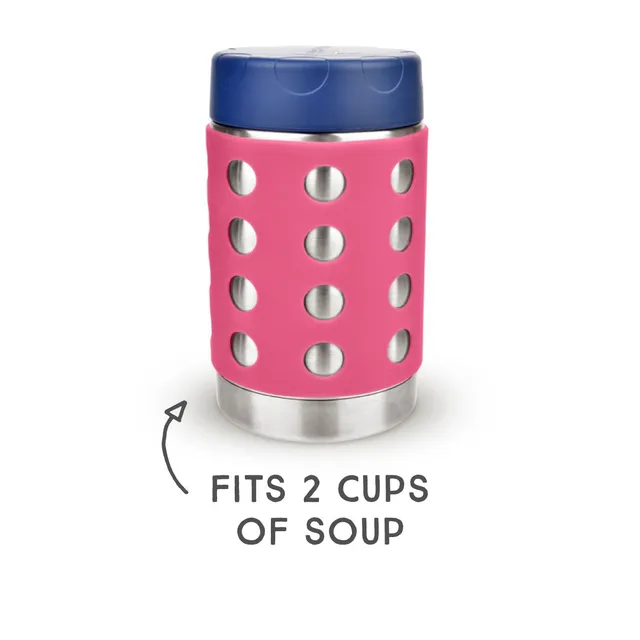
For the jar itself, the LunchBots Thermal Dots 16 oz holds soup hot for up to six hours with a stainless interior — no plastic touches the food — and its leakproof lid means it rides in the same bag as everything else without a second thought.
Box first, bag second. Pick the container that fits the meal, then choose a bag designed for that box's family — matched lines like Bentgo Kids Prints + Kids Prints bag are engineered pairs.
Leave slack for the bottle. If the bag fits the box snugly with nothing else in it, it won't fit the box with everything else in it.
Flat ice packs beside, never on top. Slim packs like Bentgo Buddies sit next to the box; chunky blocks sit on the lid and stress the latches.
Liquids get their own seal. Compartmented boxes and Easyboxes are for solids. Dressings and soups go in sealed dip cups or a thermal jar.
Measure before buying replacement parts. Thermal lids come in 3-inch and 4.5-inch widths — a ruler beats a guess every time.
Get those five right and the 7:12 a.m. zipper fight disappears. Every product in this guide is in stock now, and every pairing above is one we'd pack ourselves.