Add 2 more items to unlock your free mystery gift.
Complimentary item.
Total
Recommended add-on
Home/Bento Box Myths That Are Costing You Better Lunches (And What Actually Works)
Bento Box Myths That Are Costing You Better Lunches (And What Actually Works)
After years of helping parents and desk-lunch packers pick the right container, we've noticed the same handful of misconceptions come up again and again. Some lead to soggy backpacks. Others send perfectly good lunch boxes to the donation bin. Here are the six bento myths we spend the most time correcting — and what to buy instead.
Myth #1: "Leak-proof" means I can pack soup in any compartment
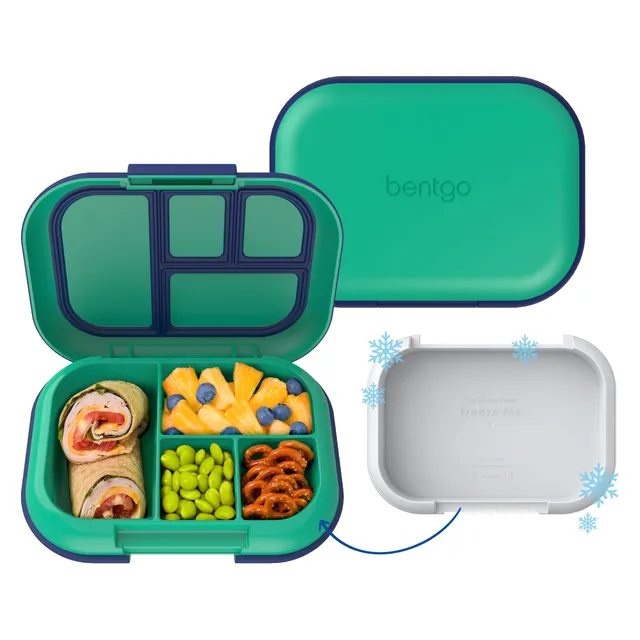
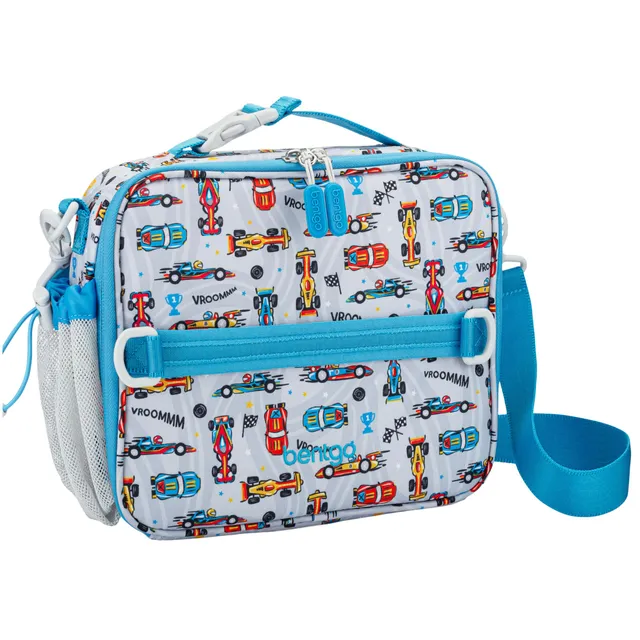
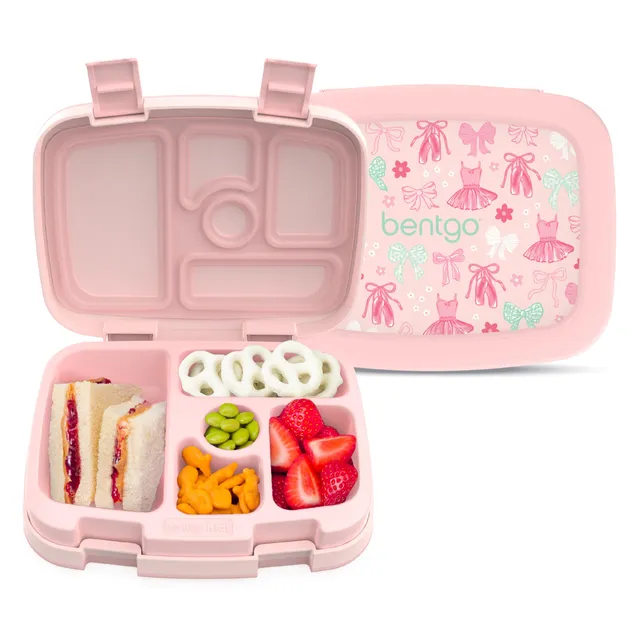
This is the big one. Leak-proof refers to the lid-to-box seal, not every internal wall. A true leak-proof bento — like the Bentgo Kids Prints 5-Compartment Bento Lunch Box — will keep yogurt, applesauce, and dressing inside the box even when it's tipped sideways. But thin liquids like soup will still migrate between compartments once the box is closed, because the interior dividers aren't individually sealed. That's by design: the removable tray needs to lift out for cleaning.
The rule of thumb: wet-but-thick foods (hummus, guac, diced fruit in juice) are fine in compartments. Free-flowing liquids belong in a dedicated sealed jar.
Myth #2: Stainless steel lunch boxes are automatically leakproof
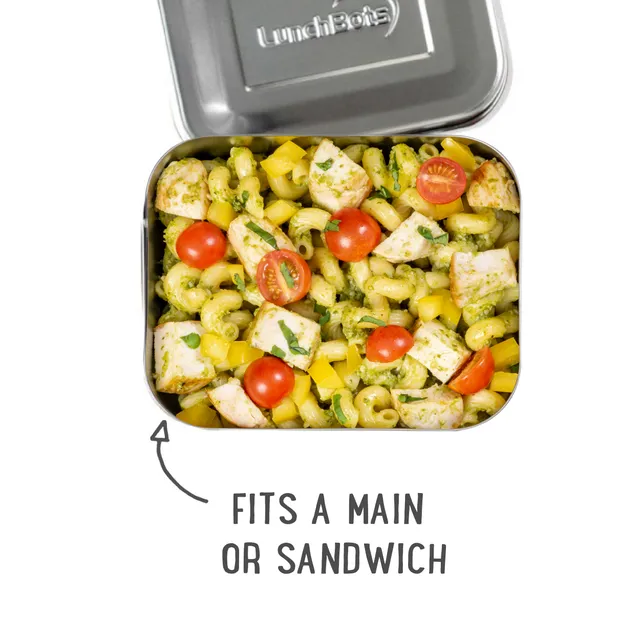
Nope — and it's one of the most common returns we see. Many stainless bento boxes, including the LunchBots Medium Uno and the LunchBots Medium Duo, use a stainless lid with no silicone gasket. That's a deliberate trade-off: you get an all-steel, plastic-free food-contact surface that's nearly indestructible and dishwasher-safe, but it's designed for sandwiches, crackers, and dry sides — not soup.
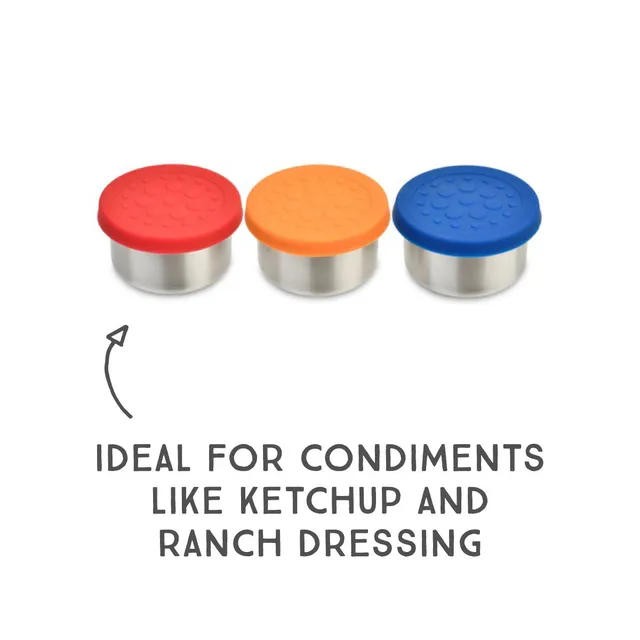
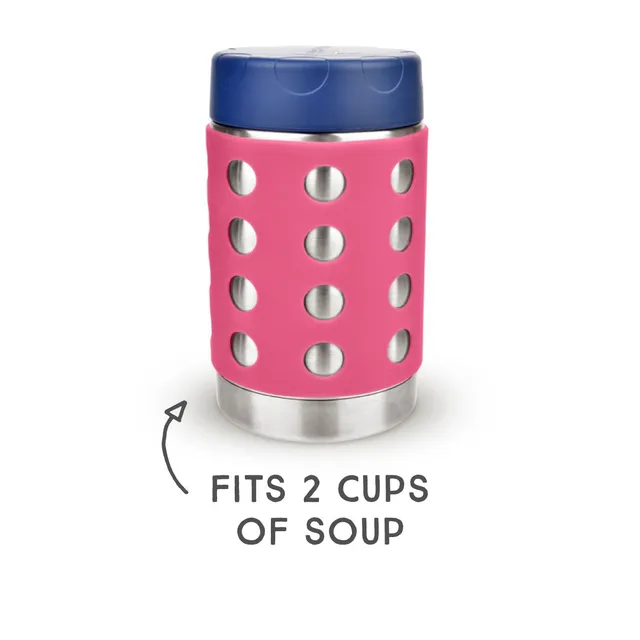
Where steel does seal: LunchBots Dips containers have leakproof silicone lids, and the LunchBots Thermal Dots 16oz food jar is genuinely leakproof with 6-hour heat retention. Match the container to the food, not the material to the marketing.
Myth #3: A stuck or misaligned latch means the box is broken
Nearly every "broken Bentgo" panic we see comes down to one of three fixable issues:
The tray isn't seated evenly. Lift the inner tray and press each corner down until it clicks flat. A raised corner keeps the lid from latching.
Food debris in the latch channel. A single grain of rice under the hinge stops the clip from closing. Rinse the channel, then close.
The latch needs re-alignment after a drop. Bentgo's latches are designed to be drop-resistant on the Bentgo Kids 5-Compartment Bento Lunch Box, but a hard fall can shift one. Gently flex it back into position — it's flexible silicone-reinforced plastic for exactly this reason.
The same logic applies to the Bentgo Salad Container: if the four latches won't close, check that the toppings tray is pressed fully down into the bowl first. Latch resistance in modern bentos is a feature, not a flaw.
Myth #4: You need ice packs AND a special chilled box to keep lunch safe
Both are true on their own — you don't need both together. A built-in ice pack system like the Bentgo Kids Chill, with its removable chilled gel pack under the tray, handles dairy and cut fruit through a morning at school on its own. If you're using a standard box, slim reusable packs do the same job.
What actually matters: keep the cold source touching or near the perishable food, inside an insulated bag. An ice pack loose in a backpack protects nothing.
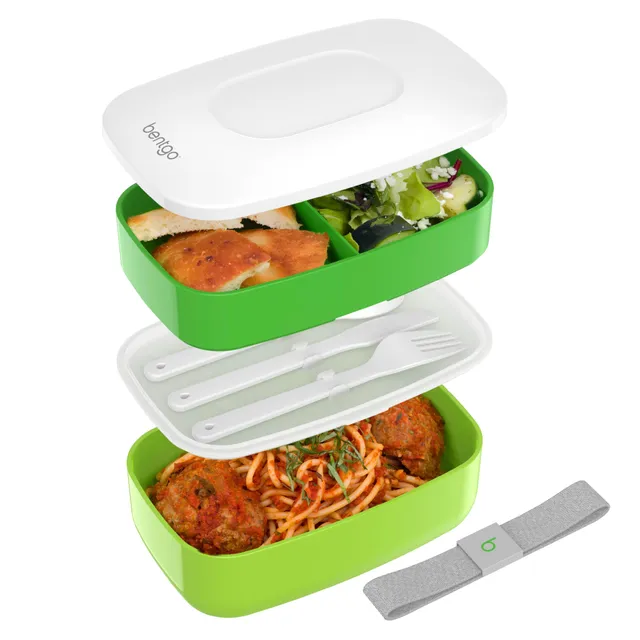
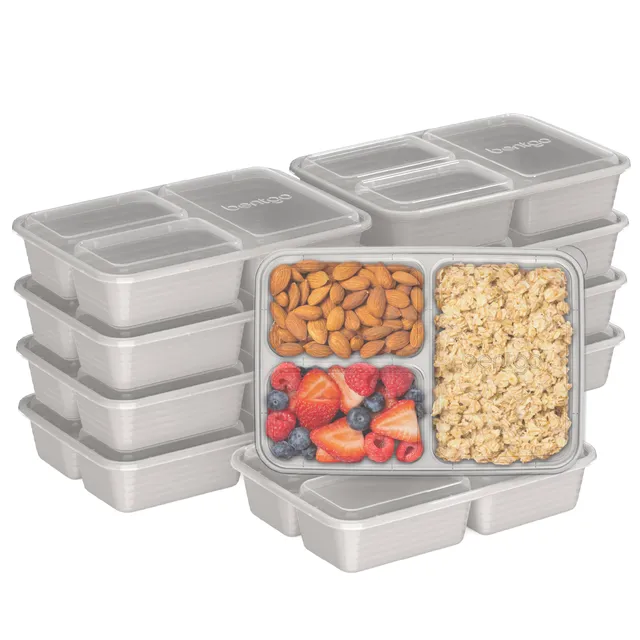
The compartment concept scales beautifully for adults — arguably better, since portioned compartments make desk lunches feel like actual meals instead of sad Tupperware archaeology. The Bentgo Classic stacks three compartments with a hidden utensil set and sealing strap, holding roughly 4.5 cups total. For batch-prep households, the Bentgo Prep 20-Piece Set gives you 4-cup three-compartment trays that go from freezer to microwave to dishwasher.
Myth #6: If a lid or gasket wears out, you replace the whole container
This myth costs people real money. Seals and gaskets are wear items — they compress, stretch, and take on odors over years of dishwasher cycles. Almost every major brand sells the parts separately.
Quick maintenance tip: pop silicone gaskets out and wash them separately once a week. It's the single best thing you can do to keep a "leak-proof" claim true for years.
The bottom line
Almost every bento disappointment traces back to a mismatch between the food and the container, not a bad product. Pack thick-wet foods in sealed compartments, liquids in a true leakproof jar, dry snacks in open steel, and treat worn seals as a $3 fix instead of a $35 replacement. Get those four habits right and your lunch gear will outlast the school year — probably several of them.
Still deciding? Start with one leak-proof bento for wet lunches, one steel box for dry ones, and a thermal jar for soup season. That trio covers 95% of real lunches.